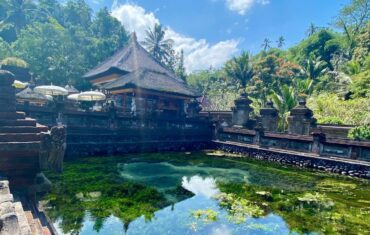
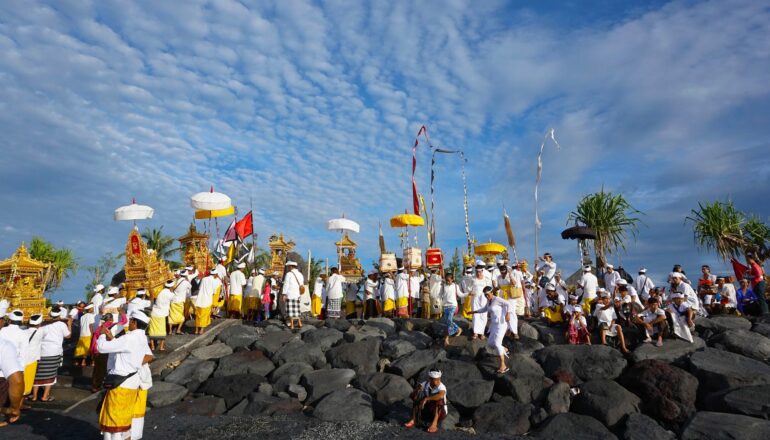
Bali Island, often called the Island of the Gods, is Indonesia’s most famous travel destination—and for good reason. From emerald rice terraces and sacred temples to world-class beaches and vibrant local culture, Bali offers a rare balance of natural beauty and deep spiritual heritage.
Whether you are a first-time visitor or a returning traveler, Bali continues to surprise with its diversity. One day you may be watching the sunrise from a volcano, and the next, relaxing at a cliffside beach or attending a traditional temple ceremony.
The History of Bali
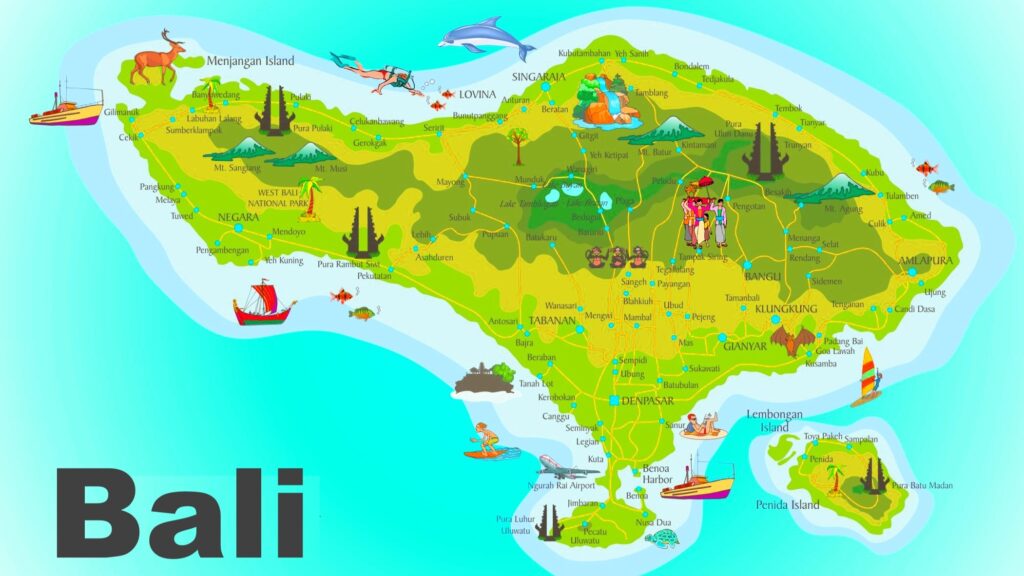
It is one of the more than 17,000 islands in Indonesia. with an island area of 153 km long and 112 km wide and an island area of 123.98 km². Geographically, this island is located on an imaginary line of 8° 25′ 23″ south latitude and 115° 14′ 55″ east longitude. This is what makes Bali has a tropical climate like other parts of Indonesia.
Bali Island is also the last chain of tropical islands, an imaginary line that marks the separation of the Asian and Australasian ecological zones. Topologically, the island of Bali stretches across mountains from the west of the island to the east. Sandwiched between the western island of Java and the eastern island of Lombok, among these mountains, there are a number of active and unlike volcanoes: Mount Agung is 3,142 meters high. Mount Batur is 1,717 meters above sea level. Mount Abang is 2,276 meters high. And Mount Batukaru is 2,276 meters high.
The ancient island of Bali was inhabited by Austronesians around 2000 BC, who migrated and originates from Taiwan via maritime Southeast Asia. The culture and language of the Balinese people are closely related to those of the islands of Indonesia, Malaysia, the Philippines, and Oceania. Ancient discoveries, such as stone tools dating from the Austronesian era.
The name Bali Dwipa (“Bali Island”) has been found in various inscriptions. Including the Blanjong pillar inscription written by Sri Kesari Warmadewa in 914 AD, which mentions “Walidwipa.” At that time, the complex Subak irrigation system developed to grow rice. Some religious and cultural traditions still exist today and can be traced back to when you visit Bali. The Hindu Majapahit Kingdom (1293–1520 AD) in East Java founded a colony in Bali in 1343.
Where Is Bali Island?
Bali is located in Indonesia, between Java Island to the west and Lombok Island to the east. Despite its relatively small size, Bali has an incredibly varied landscape that includes:
- White-sand and black-sand beaches
- Mountain ranges and volcanoes
- Dense jungles and waterfalls
- Terraced rice fields and river valleys
The island is easily accessible via Ngurah Rai International Airport (DPS) in southern Bali.
Bali’s Unique Culture and Spiritual Life
One of the main reasons Bali stands out from other tropical destinations is its strong cultural identity. Unlike most of Indonesia, Bali practices Balinese Hinduism, a unique blend of Hindu beliefs, ancestor worship, and animism.
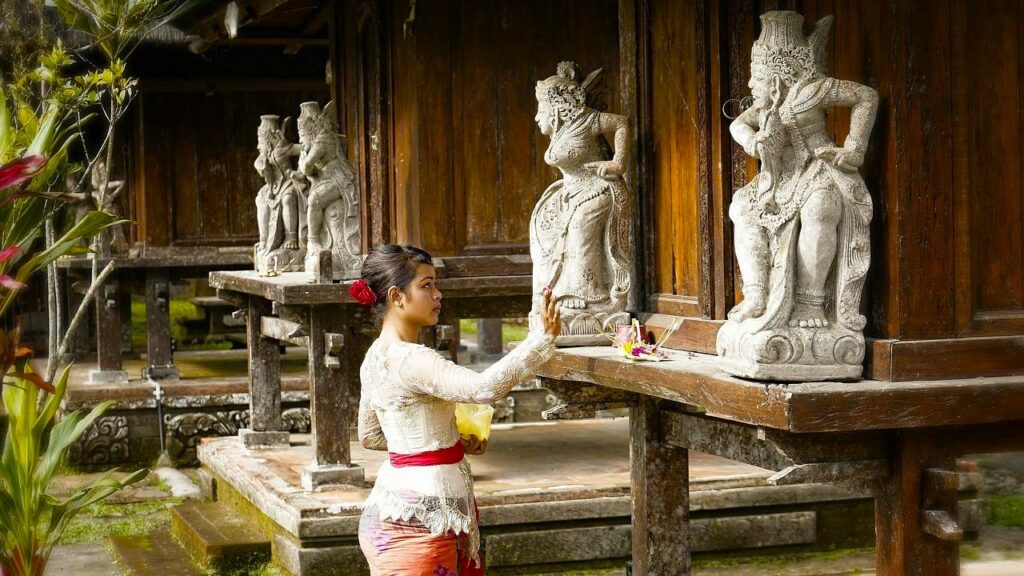
Daily Offerings and Ceremonies
You will see canang sari—small daily offerings—placed in front of homes, shops, and temples. Large ceremonies, colorful processions, and temple festivals are part of everyday life.
Traditional Arts
Bali is world-renowned for its:
- Traditional dance (Barong, Legong, Kecak)
- Wood carving and stone sculpture
- Painting and silver jewelry
Cultural villages like Ubud, Mas, and Celuk remain important artistic centers.
Best Places to Visit in Bali Island
Ubud: Cultural and Nature Hub
Ubud is the heart of Bali’s art, culture, and wellness scene. Surrounded by rice fields and jungles, it is ideal for travelers seeking a slower pace.
Highlights:
- Tegallalang Rice Terraces
- Sacred Monkey Forest Sanctuary
- Yoga retreats and wellness centers
- Art galleries and museums
Southern Bali: Beaches and Nightlife
Southern Bali is home to some of the island’s most famous beaches and resorts.
Top areas include:
- Kuta – lively, budget-friendly, surfing
- Seminyak – upscale dining and beach clubs
- Canggu – trendy cafés, digital nomads, surf culture
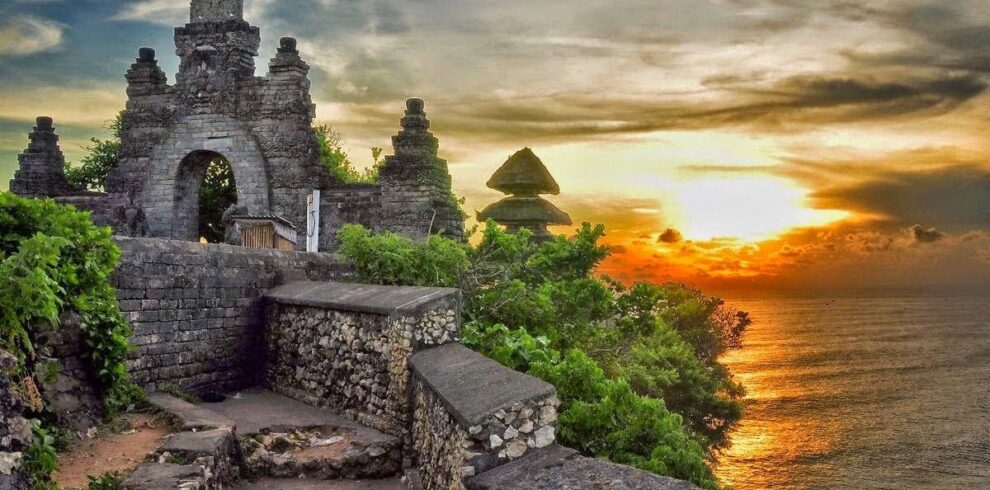
- Uluwatu – dramatic cliffs, temples, and sunsets
Eastern Bali: Authentic and Scenic
East Bali is less crowded and offers a more traditional experience.
Must-visit spots:
- Lempuyang Temple (Gate of Heaven)
- Tirta Gangga Water Palace
- Amed and Tulamben for snorkeling and diving
Northern Bali: Waterfalls and Mountains
Northern Bali is known for cooler temperatures, waterfalls, and serene landscapes.
Highlights:
- Sekumpul Waterfall
- Banyumala Twin Waterfall
- Lovina Beach (dolphin watching)
- Munduk highlands

Bali’s Stunning Beaches
Bali beaches are incredibly diverse, depending on which part of the island you visit.
- White-sand beaches: Nusa Dua, Sanur, Padang Padang
- Surf beaches: Uluwatu, Canggu, Kuta
- Black-sand beaches: Lovina, Amed
- Hidden beaches: Green Bowl, Nyang Nyang, Diamond Beach (Nusa Penida)
Each beach has its own character, from relaxed family-friendly shores to wild cliffs and powerful waves.
Famous Temples in Bali
Bali is home to over 10,000 temples, each with spiritual and cultural significance.
Must-see temples include:
- Tanah Lot – iconic sea temple at sunset
- Uluwatu Temple – cliffside temple with ocean views
- Besakih Temple – Bali’s largest and holiest temple
- Ulun Danu Beratan – floating temple on Lake Beratan
Visitors are welcome, but proper dress and respectful behavior are essential.
Balinese Food You Must Try
Bali’s cuisine is rich in flavor, spices, and tradition.
Popular local dishes:
- Babi Guling – Balinese roasted suckling pig
- Nasi Campur Bali – mixed rice with local side dishes
- Ayam Betutu – slow-cooked spiced chicken
- Lawar – traditional mix of vegetables, coconut, and spices
For health-conscious travelers, Bali is also famous for vegan cafés, smoothie bowls, and organic restaurants.
Best Time to Visit Bali Island
Bali has a tropical climate with two main seasons:
- Dry season (April–October) – Best weather, ideal for sightseeing and outdoor activities
- Rainy season (November–March) – Lush landscapes, fewer crowds, occasional heavy rain
The most popular months are July, August, and December, but shoulder months like May, June, and September offer great weather with fewer tourists.
Transportation and Getting Around Bali
There is no public transport network covering the entire island, so most travelers choose:
- Private driver (best for sightseeing)
- Scooter rental (experienced riders only)
- Ride-hailing apps in tourist areas
Hiring a local driver is often the safest and most convenient option, especially for day trips.
Travel Tips for Visiting Bali
- Dress modestly when visiting temples
- Respect local customs and ceremonies
- Avoid stepping on offerings
- Use reef-safe sunscreen
- Stay hydrated in the tropical heat
A little cultural awareness goes a long way in Bali.
Why Bali Island Remains a Top Destination
Bali Island is more than just a tropical escape. It is a destination where nature, spirituality, culture, and hospitality come together in a way few places can match. Whether you seek adventure, relaxation, culture, or romance, Bali adapts to every travel style.
Once you visit, it is easy to understand why so many travelers return again and again.
Bali and Indonesia Travel Guide Playlists
The Best Trip Destination
Bali, Indonesia, beckons with its diverse allure. Explore Ubud’s cultural treasures, witness the iconic Tanah Lot Temple at sunset, and surf the waves of Kuta Beach. Discover the scenic beauty of Tegallalang Rice Terraces and embrace the lively atmosphere of Seminyak. Dive into the underwater wonders of Amed, relax on the pristine shores of Nusa Dua, and wander through ancient temples in the heart of Bali. Whether seeking vibrant nightlife, serene landscapes, or cultural richness, Bali’s enchanting destinations cater to every traveler’s desire.

Ubud (18 Trips)

Eastern Bali (7 Trips)
Southern Bali (5 Trips)

Northern Bali (5 Trips)

Nusa Penida Island (8 Trips)

Western Bali (5 Trips)
The Best Activities In Bali
Indulge in Bali’s diverse activities, from surfing the waves in Kuta to exploring cultural treasures in Ubud. Snorkel vibrant coral reefs in Amed, trek lush rice terraces, and rejuvenate in serene spa retreats. Dive into the lively nightlife of Seminyak, witness traditional dance performances, and sample local delicacies in bustling markets. Whether it’s hiking Mount Batur for a sunrise vista or embracing the spiritual ambiance of ancient temples, Bali offers a kaleidoscope of experiences for every traveler’s passion.

Trekking and Hiking (5 Trips)

Snorkeling and Scuba Diving (3 Trips)

ATV Quad Bike (2 Trips)

Bali Water Sport (3 Trips)

Bali Rafting and Tubing (5 Trips)