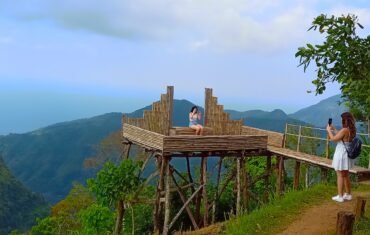
Ubud is located in Gianyar Regency, central Bali, Indonesia. It sits inland from Bali’s southern coastal areas — approximately 30 kilometers northeast of Denpasar and Kuta.
The town lies within the island’s green highlands, surrounded by rice fields, forested hills, and rivers, which give it a cooler, more verdant landscape than the beaches of southern Bali.
Nearby villages and sub-areas commonly associated with Ubud include Penestanan, Sayan, Campuhan, Nyuh Kuning, and Tegallalang. When travelers book accommodations labeled “Ubud,” these may actually be in surrounding villages — sometimes 20–30 minutes from downtown Ubud.
Read here: Gitgit Waterfall Bali: A Complete Travel Guide to the Island’s Natural Wonder
History of Ubud
Ubud’s rise as a cultural center dates back centuries. The name “Ubud” comes from the Balinese word ubad, meaning medicine, a reference to the region’s herbs and healing traditions.
Early Cultural and Artistic Heritage
For much of its long history, Ubud was a seat for Balinese royalty, artists, and traditional practitioners. It became a nexus for temples, Malay medicine, dance, music, and performance arts long before Western tourists arrived.
In the early 20th century, foreign artists and scholars began to move to Ubud and engage with local culture. Notable figures like Rudolf Bonnet, Walter Spies, and Arie Smit lived and worked in the area, helping shape local artistic expression and inspiring a new generation of Balinese painters.
Modern Tourism Development
From the 1930s to the 1970s, Ubud slowly gained reputation with international visitors. By the 1970s and 1980s, tourism began to grow more rapidly as travelers discovered Ubud’s art galleries, performances, jungle landscapes, and rice terraces. Today, Ubud is one of Indonesia’s most visited cultural destinations, attracting millions of international travelers each year.
How to Get to Ubud
Ubud is inland, so reaching it involves travel from Bali’s coast or airport.
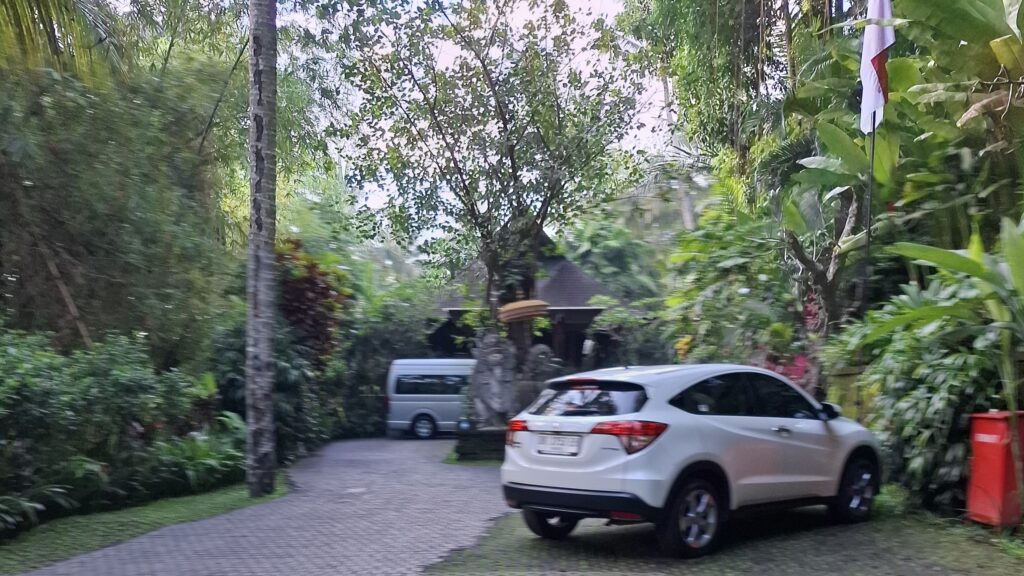
From Ngurah Rai International Airport (Denpasar)
- By Private Transfer: The most comfortable way to reach Ubud is a pre-booked airport transfer. Travel time is typically around 1 to 1.5 hours depending on traffic.
- By Taxi: At the airport you can take a taxi to Ubud, but be prepared to negotiate the fare; always agree on a price before departure. Ride-hailing services may be limited for pickup directly from the airport.
- By Ride-Hailing (Grab/Gojek): Using the app can be convenient and usually cheaper; however, connectivity may vary once you’re closer to Ubud center.
From Southern Bali (Kuta, Seminyak, Canggu)
- A car or motorbike ride northward through Denpasar brings you to Ubud. Expect 1.5–2 hours travel time depending on road traffic.
Local Transport in Ubud
Once in Ubud, many attractions are reachable on foot around the center. For farther sights like rice terraces, waterfalls, temples, or rainforest hikes, you can rent a motorbike, hire a driver with a car, or use local taxis.
Accommodations in Ubud
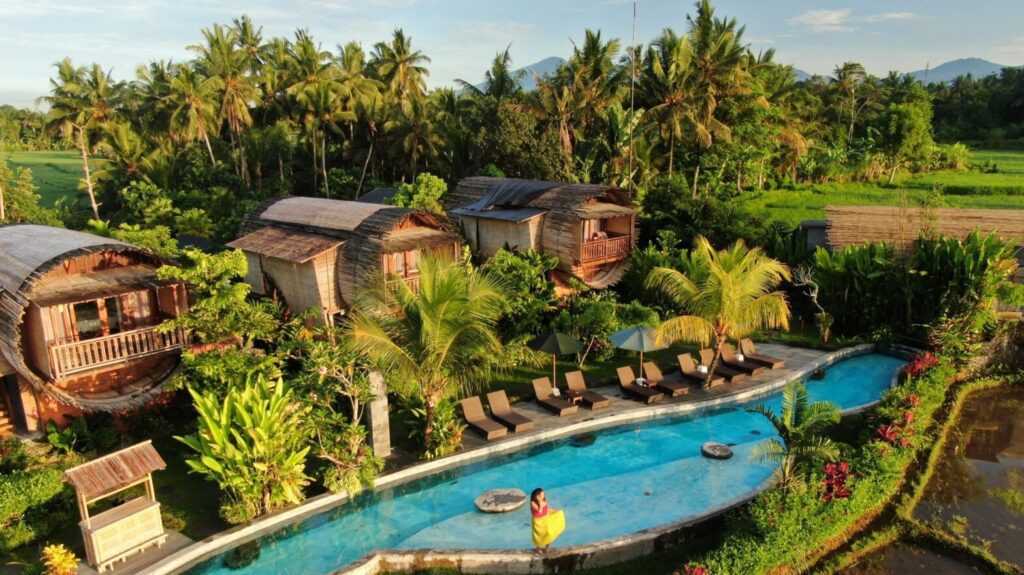
Ubud offers a wide range of accommodation options for different types of travelers — from budget guesthouses to luxury villas.
Town Center Options
- Budget guesthouses and hostels: Ideal for backpackers and budget travelers who want to be in the heart of Ubud.
- Mid-range hotels and boutique stays: These provide comfortable rooms, pools, and often include breakfast.
- Luxury hotels and resorts: Spa retreats, wellness resorts, and jungle-view pool villas are popular for wellness-focused travelers.
Village and Outer Area Stays
Surrounding villages like Penestanan, Sayan, and Nyuh Kuning offer peaceful, scenic accommodations often set among rice fields or jungle. Staying slightly outside the center can offer more tranquility and easier access to nature walks.
Specialty Retreats
Ubud is known globally as a wellness hub, with retreats focused on yoga, meditation, detox, and spa therapies. Several luxury estates emphasize holistic health, Ayurvedic treatments, and nature-immersive experiences.
Tips for Booking:
- Check exact location on a map — a hotel labeled “Ubud” may be some distance from the center.
- For peace and quieter mornings, choose accommodation a few kilometers outside the busiest streets.
Opening Hours and Entrance Fees for Major Ubud Attractions
Ubud itself as a town is always accessible, but major attractions around Ubud have specific hours and fees that should be noted.
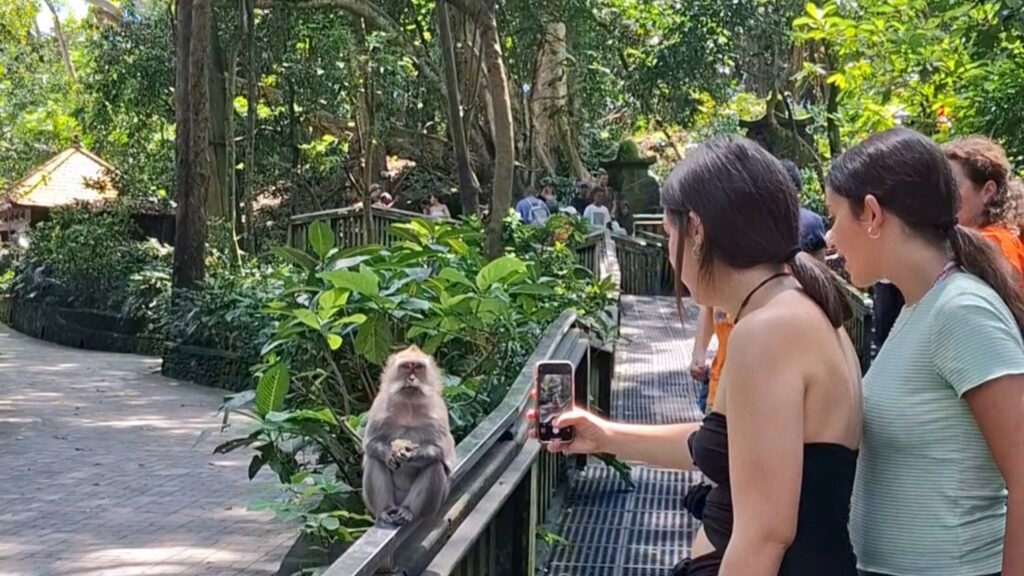
Ubud Monkey Forest (Sacred Monkey Sanctuary)
- Hours: Typically 08:00 AM to 05:30 PM daily.
- Entrance Fee: Around IDR 80,000 per person (may vary slightly).
The sanctuary is home to over 1,200 long-tailed macaques and includes ancient temples and forest paths.
Tegallalang Rice Terraces
- Access: Open during daylight hours; many terraces do not have strict closing times but are best visited early morning or late afternoon.
- Entrance: Many terraces have a small donation or entry fee (often around IDR 15,000).
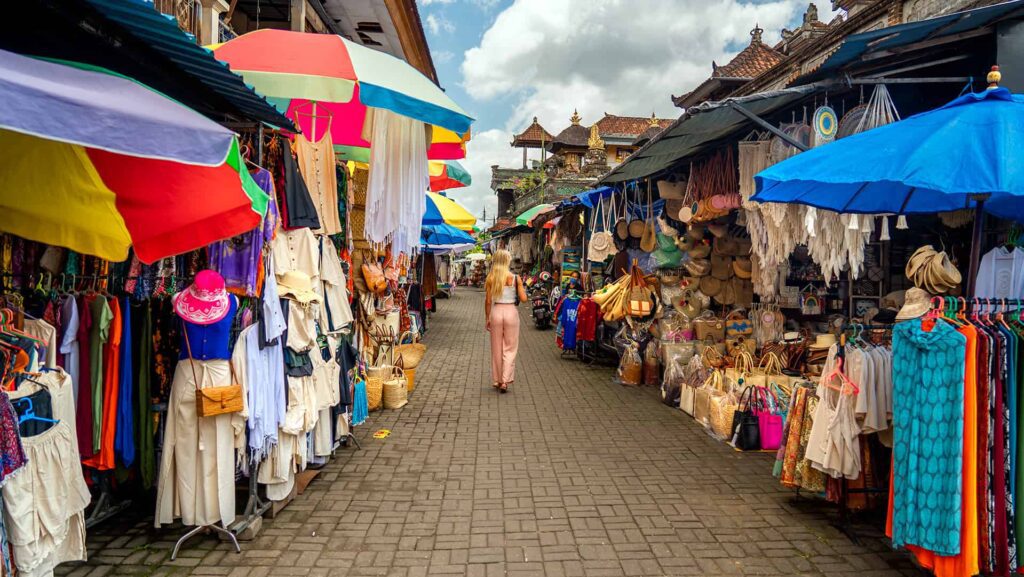
Ubud Art Market (Pasar Ubud)
- Hours: Typically 08:00 AM to 06:00 PM or later depending on vendor schedules.
- Entrance: Free to enter; you pay for what you buy. Market is a hub for crafts, textiles, art prints, and souvenirs.
Ubud Palace (Puri Saren Agung)
- Hours: Usually open daily in daytime; performances often occur in the evening.
- Entrance Fee: Often free or small donation, though dance performances have separate ticket fees available at the venue.
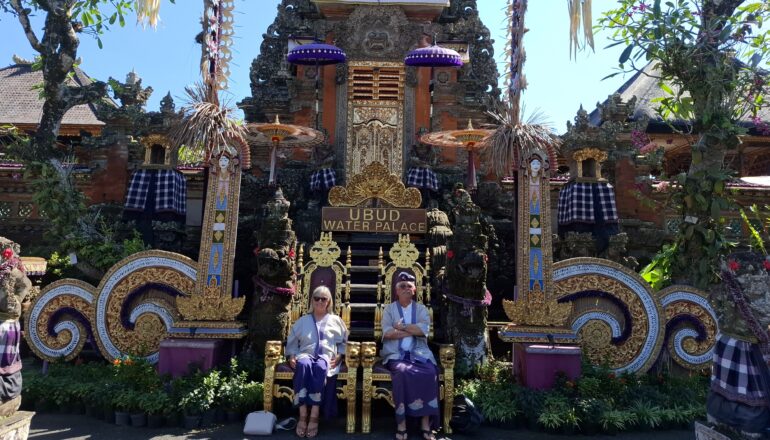
Pura Taman Saraswati (Water Palace)
- Hours: Open daily; no strict gate hours but best visited during daylight.
- Entrance Fee: Often free to enter the grounds; fees apply for nearby cultural events. The temple is known for its beautiful lotus pond and ornate carvings.
Cultural Performances
Traditional dances (e.g., Legong, Barong, Kecak) are held at various venues, especially around Ubud Palace or community halls. Performance fees vary by show.
General Tips on Tickets and Hours:
- Bring cash (Indonesian Rupiah); many sites do not accept cards.
- Early arrival often avoids crowds and heat for outdoor attractions.
- Entrance fees and times are subject to change, so check on arrival or with your hotel/guide.
Things to See and Do in and Around Ubud
Ubud is known for its diverse activities combining culture, nature, arts, and wellness.
Sacred Monkey Forest Sanctuary
A forest sanctuary and conservation area with playful macaques, ancient temples, and shaded walking paths. It blends wildlife, culture, and natural beauty in one location.
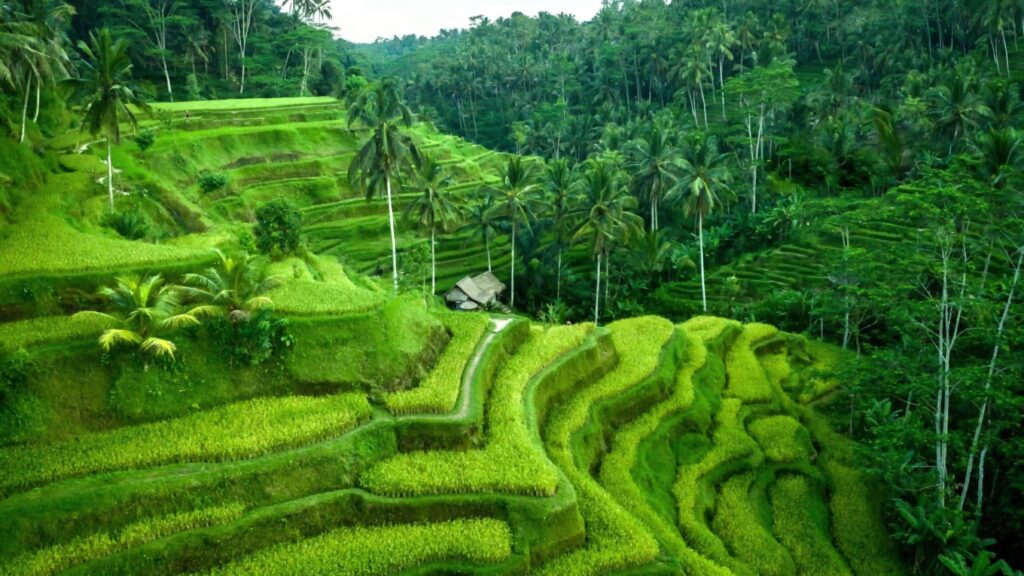
Tegallalang Rice Terraces
World-famous rice terraces showing traditional subak irrigation and layered landscapes for photos and walks.
Art Galleries and Museums
Ubud is home to museums like Neka Art Museum, Agung Rai Museum of Art (ARMA), Blanco Renaissance Museum, and the Puri Lukisan Museum, showcasing both local and international art.
Temples and Spiritual Sites
Sites like Ubud Palace and Pura Taman Saraswati reflect Ubud’s spiritual architecture, with lotus ponds, dance stages, and intricate stone carvings.
Rice Field Walks
Paths around Campuhan Ridge Walk and surrounding fields offer scenic, gentle hikes ideal for sunrise or sunset.
Wellness and Yoga
Ubud is a global yoga and wellness hub, with many studios, retreats, and healing centers offering classes, meditation, detox programs, and traditional massages.
Waterfalls and Nature
Nearby nature attractions like Tegenungan, Tibumana, Tukad Cepung, and other waterfalls can be visited on day trips from Ubud.
Festivals & Events
Annual events like the Ubud Writers & Readers Festival bring literature, culture, and international exchange to the town once a year.
Accommodation Options in Detail
Ubud has a wide range of places to stay with options for all travel styles.
Budget and Mid-Range
- Guesthouses and hostels near Ubud Market and Jalan Raya Ubud are great for walking access to shops, art markets, and restaurants.
- Mid-range hotels often include breakfast, pools, and cultural workshops.
Luxury & Wellness Retreats
- Spa and retreat centers offer yoga programs, spa treatments, detox sessions, and nature views.
- Jungle villas, often with private pools and outdoor showers, are designed for calm and privacy.
Homestays and Eco-Lodges
- Village homestays near rice fields or quieter roads offer affordable stays with local hospitality.
- Eco-lodges focus on sustainability, local hospitality, and nature immersion.
Pro Tips:
- Book early for peak seasons (July–August and December–January).
- If you prefer peace, choose accommodation a few kilometers outside the main tourist loop.

Practical Travel Tips for Visiting Ubud
Plan for Traffic and Walking
Ubud’s main streets, especially Jl. Raya Ubud, can experience heavy traffic during the day, with narrow sidewalks and many scooters and cars. Walking can sometimes be faster in the center.
Use Local Transport Wisely
- Consider renting a motorbike for flexible travel around town and to reach waterfalls and rice terraces.
- Hiring a driver for day trips is a stress-free way to visit multiple attractions without navigating traffic yourself.
Respect Culture and Environment
- Many temples require modest dress (sarong and sash) for entry.
- Respect spiritual sites, rituals, and local customs.
Money and Payments
- Bring cash (IDR) — many smaller attractions, markets, and warungs do not take cards.
- ATMs are common in Ubud town but can run out of cash, so plan ahead.
Best Time to Visit
- Dry season (April–October) is ideal with less rain and cooler weather.
- Early mornings are cooler and less crowded for walks and outdoor activities.
Health & Safety
- Use insect repellent especially near rice fields or forested areas.
- Ubud’s jungles and nature paths can be slippery after rain — wear sturdy footwear.
Nearby Attractions Beyond Ubud
Ubud is a great base for exploring central and eastern Bali.

Tirta Empul Temple
Famous for holy spring purification rituals, about north of Ubud — a spiritual and cultural highlight.
Other Waterfalls
Waterfalls like Tegenungan, Tibumana, and Tukad Cepung offer refreshing nature trips a short drive from Ubud.
Mount Batur Sunrise Trek
Day trips from Ubud to Mount Batur offer memorable sunrise views over the volcanic crater and lake.
Summary — Why Ubud Is a Must-Visit Destination
Ubud is Bali’s cultural heart — a place where traditional arts, natural landscapes, spiritual sites, and wellness culture come together. Its rich history as a center for art and healing, easy access from the airport, wide range of accommodations, and abundance of attractions make it a top destination for first-time and repeat visitors alike.
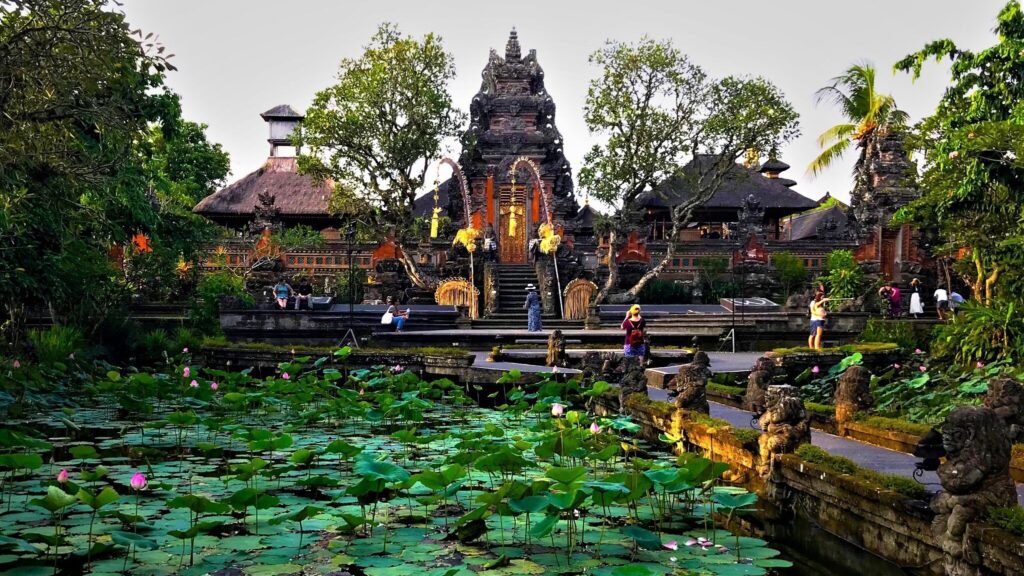
Whether you’re interested in wildlife sanctuaries, rice terraces, temples, art galleries, wellness retreats, culinary experiences, or nature excursions, Ubud provides countless opportunities to explore, learn, and find inspiration.
Read here: Uluwatu Temple: A Sacred Cliffside Legacy in Bali
The Best Trip Destination
Bali, Indonesia, beckons with its diverse allure. Explore Ubud’s cultural treasures, witness the iconic Tanah Lot Temple at sunset, and surf the waves of Kuta Beach. Discover the scenic beauty of Tegallalang Rice Terraces and embrace the lively atmosphere of Seminyak. Dive into the underwater wonders of Amed, relax on the pristine shores of Nusa Dua, and wander through ancient temples in the heart of Bali. Whether seeking vibrant nightlife, serene landscapes, or cultural richness, Bali’s enchanting destinations cater to every traveler’s desire.

Ubud (18 Trips)

Eastern Bali (7 Trips)
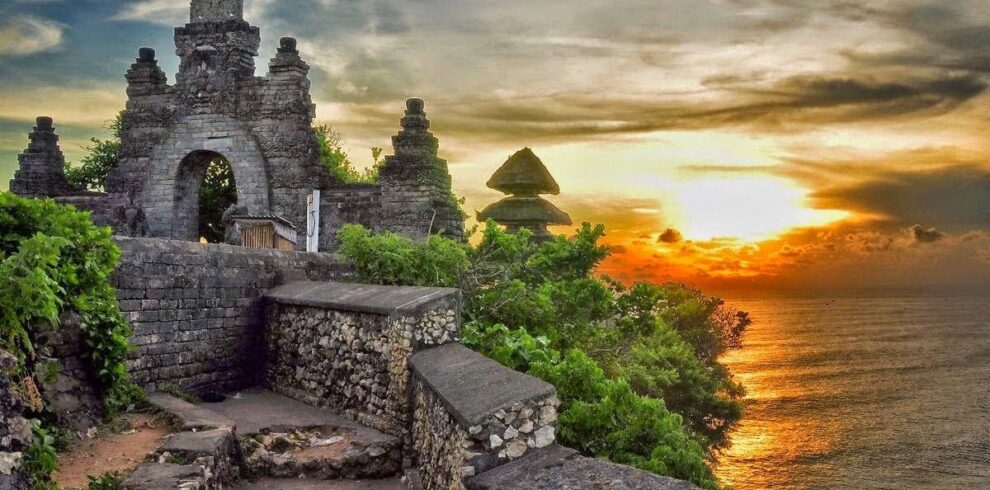
Southern Bali (5 Trips)

Northern Bali (5 Trips)

Nusa Penida Island (8 Trips)

Western Bali (5 Trips)
The Best Activities In Bali
Indulge in Bali’s diverse activities, from surfing the waves in Kuta to exploring cultural treasures in Ubud. Snorkel vibrant coral reefs in Amed, trek lush rice terraces, and rejuvenate in serene spa retreats. Dive into the lively nightlife of Seminyak, witness traditional dance performances, and sample local delicacies in bustling markets. Whether it’s hiking Mount Batur for a sunrise vista or embracing the spiritual ambiance of ancient temples, Bali offers a kaleidoscope of experiences for every traveler’s passion.

Trekking and Hiking (5 Trips)
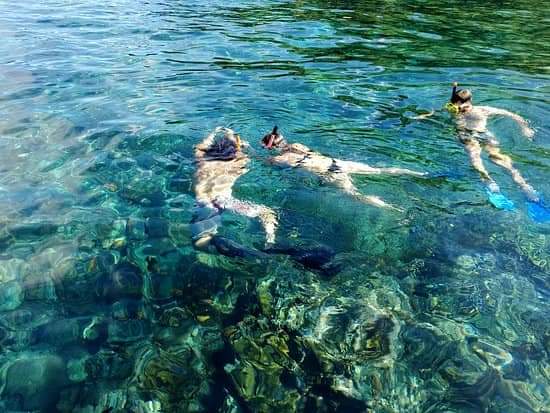
Snorkeling and Scuba Diving (3 Trips)

ATV Quad Bike (2 Trips)

Bali Water Sport (3 Trips)

Bali Rafting and Tubing (5 Trips)